
South Carolina Bankruptcy Records
Bankruptcy records in South Carolina are federal court documents filed with the U.S. Bankruptcy Court for the District of South Carolina. When a debtor files in this state, the case becomes part of the public record. South Carolina bankruptcy records can be searched online using PACER, a federal court database, or accessed through the court's free telephone information system, county clerk offices, and the statewide Judicial Public Index. This guide covers how to find and access bankruptcy filings across all 46 South Carolina counties.
South Carolina Bankruptcy Records Quick Facts
The U.S. Bankruptcy Court for the District of South Carolina
All bankruptcy cases in South Carolina are handled by the U.S. Bankruptcy Court for the District of South Carolina. This is a federal court, not a state court. The court's mission is to provide fair and impartial justice, giving debtors a fresh start while allowing creditors to resolve claims in an efficient forum. Bankruptcy petition filings rose 12 percent in South Carolina from 2024 to 2025, matching the nationwide trend of an 11 percent increase. That growth makes understanding how to access these records more important than ever.
The court operates out of three divisions across South Carolina. The Charleston Division is at the King and Queen Building, 145 King Street, Room 225, Charleston, SC 29401. The Columbia Division is at the J. Bratton Davis U.S. Bankruptcy Courthouse, 1100 Laurel Street, Columbia, SC 29201. The Greenville Division is at the C.F. Haynsworth Federal Building and U.S. Courthouse, 300 East Washington Street, Greenville, SC 29601. Each division handles cases filed in the counties within its geographic area. All case records filed after November 30, 1988 are available electronically. Older cases were transferred to the National Archives for permanent preservation.
The U.S. Bankruptcy Court for the District of South Carolina provides several online tools for accessing case information, including a case locator, e-filing system, and a free voice information line. The court's website is the starting point for any South Carolina bankruptcy records search, with direct links to PACER, CM/ECF, VCIS, and other research tools.
Using PACER to Search South Carolina Bankruptcy Records
PACER (Public Access to Court Electronic Records) is the primary system for searching federal bankruptcy records, including all cases filed in South Carolina. Anyone can register for a PACER account at pacer.uscourts.gov. Registration is free. Once you have an account, you can search bankruptcy records 24 hours a day, 7 days a week. The PACER Case Locator lets you search all federal courts from one location, making it possible to find South Carolina bankruptcy cases without knowing exactly which division handled the filing.
Searching PACER for South Carolina bankruptcy records costs $0.10 per page. The maximum charge per document is $3.00, which equals 30 pages. If your total charges in a quarter fall below $30, those fees are waived entirely. Court opinions are also available free of charge for any user with an account. Researchers working on defined scholarly projects can request fee exemptions from PACER.
Through PACER you can search by party name, case number, filing date, or attorney name. The system shows a full chronology of case events, all parties and their attorneys, the nature of the case, and the current status. You can also download documents such as petitions, schedules, discharge orders, and docket sheets. The Federal Court Cases Integrated Database, provided free by the Federal Judicial Center, is another research resource for anyone studying South Carolina bankruptcy trends.
The South Carolina Bankruptcy Court Case Information Portal also gives access to CM/ECF, WebPacer, and the U.S. Party and Case Index for nationwide searches.
The South Carolina Judicial Public Index provides access to circuit court dockets and case information across all 46 counties and serves as a complement to the federal PACER system for researching related state court matters.
Free Phone Search with VCIS
The Voice Case Information System (VCIS) gives anyone free telephone access to South Carolina bankruptcy case information. Call 1-866-222-8029 toll-free from anywhere in the country. The system is available 24 hours a day, 7 days a week. You can look up cases filed after November 30, 1988. VCIS works with a touch-tone phone. You enter your search criteria using the keypad and listen to the information about the case you selected.
VCIS provides the following information for South Carolina bankruptcy cases: the case name and number, the bankruptcy chapter filed under, the filing date, whether assets are available for distribution, the current case status, the discharge date if applicable, the case closing date if applicable, the name of the trustee assigned, and the judge assigned to the case. VCIS is especially useful when you want quick confirmation that a case exists without incurring PACER fees. It is a completely free service provided by the South Carolina Bankruptcy Court.
Note: VCIS works best when you already know the debtor's name or case number, as the system narrows results using the information you enter.
Types of Bankruptcy Records in South Carolina
South Carolina bankruptcy records vary by the chapter filed. Each chapter creates a different set of documents and a different case timeline. Knowing which chapter was filed helps you understand what records to expect when you search.
Chapter 7 is the liquidation chapter. It is available to individuals and businesses that cannot reorganize. There is no debt limit under Chapter 7. The debtor's non-exempt property is liquidated by the Chapter 7 trustee, and the proceeds are distributed to creditors. Individual debtors receive a discharge of eligible debts. The discharge is usually entered 90 to 120 days after filing in South Carolina. Chapter 7 cases produce records including the voluntary petition, a list of creditors, schedules of assets and liabilities, a statement of financial affairs, and the discharge order.
Chapter 11 is the reorganization chapter. A debtor in Chapter 11 has the chance to repay creditors through a court-approved plan. Creditors vote on the plan of reorganization. The debtor normally stays in control of assets during the process. Chapter 11 cases can take several years to complete and generate extensive docket activity. Chapter 12 applies to family farmers and fishermen who meet specific income requirements. It requires that a certain portion of income come from the farming or fishing business.
Chapter 13 is the individual debt repayment chapter for people with regular income whose debts fall below the statutory limit. Corporations and partnerships cannot file Chapter 13. The repayment plan runs 36 to 60 months. The Chapter 13 trustee distributes payments to creditors. The discharge under Chapter 13 is broader than a Chapter 7 discharge and covers some debts that Chapter 7 does not. Full details on each type are available through the South Carolina Bankruptcy Court FAQ.
The South Carolina Bankruptcy Court page for Abbeville County shows how county courthouse information is organized on the SC Courts website, which is useful when tracking related state court matters tied to a bankruptcy case.
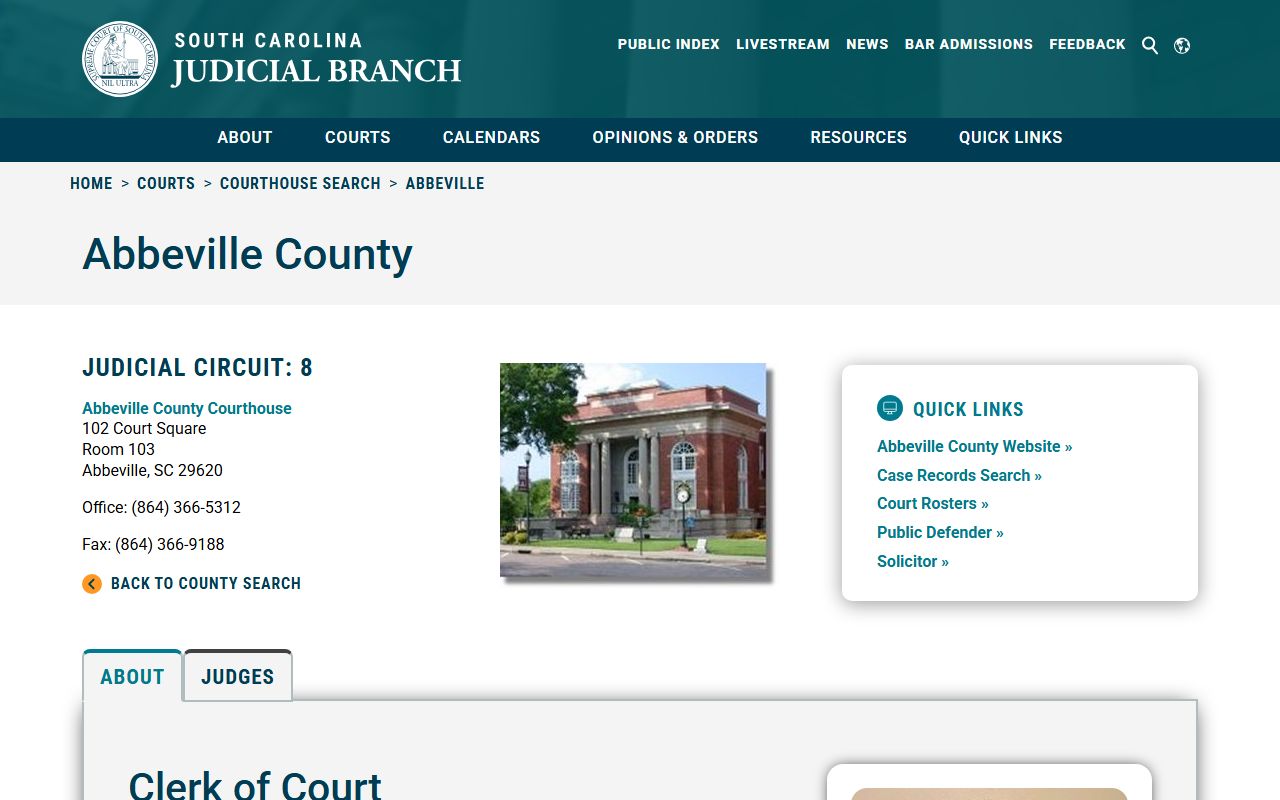
State circuit courts in each county handle matters that may intersect with federal bankruptcy cases, including judgments, liens, and property disputes.
What South Carolina Bankruptcy Records Contain
A complete bankruptcy case file in South Carolina contains a significant volume of documents. The voluntary or involuntary petition starts the case. Schedules A through J cover assets, liabilities, income, and expenses. The Statement of Financial Affairs details the debtor's recent transactions. Creditor lists include all parties owed money along with their addresses and claim amounts. The trustee's reports document actions taken during the case. For Chapter 11 and 13 cases, the reorganization or repayment plan is a central document that shows how the debtor proposes to handle each category of debt.
Case files also include discharge orders, docket sheets with all filings, notices of the 341 Meeting of Creditors, and any hearing transcripts created during the proceedings. Documents filed in bankruptcy cases are matters of public record. You can review them at no charge at the Clerk's Office in Columbia during regular business hours. Attorneys and parties with PACER accounts can review documents online at any time.
Note: Social Security numbers, financial account numbers, and other sensitive personal identifiers are redacted from public copies of bankruptcy filings under federal rules.
For county-level access in rural parts of South Carolina, the Bamberg County courthouse page on sccourts.org is an example of how to find local circuit court contact details that may be relevant to related state court proceedings.
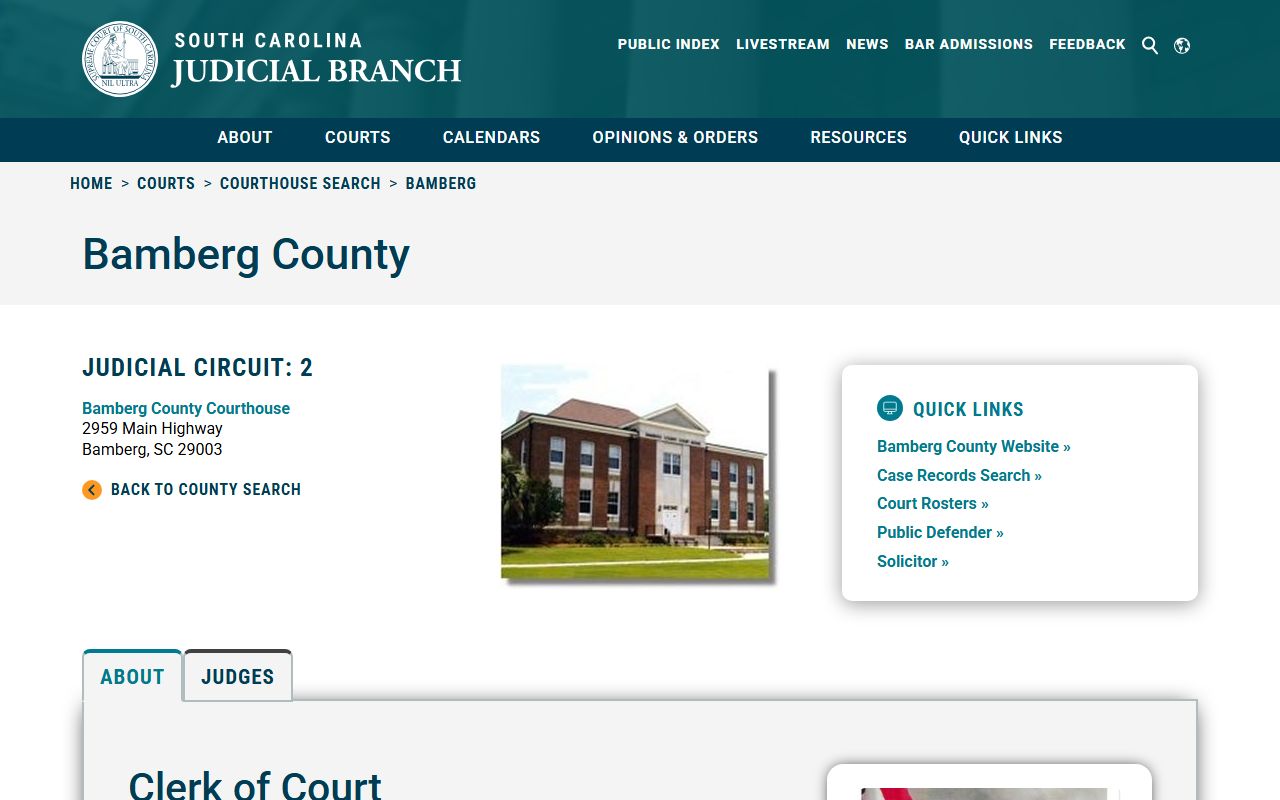
Each county's circuit court handles civil and criminal matters that may appear alongside bankruptcy proceedings, and their contact details are listed through the SC Courts courthouse directory.
South Carolina State Tax Lien Registry
South Carolina centralized its state tax lien system effective November 1, 2019. Before that date, state tax liens were filed at the county level through each county's Register of Deeds or Clerk of Court. Now all state tax liens are recorded in the SC Department of Revenue Lien Registry. You can search by debtor name or lien number and access discharge and release information. This centralized system affects bankruptcy research because tax lien status often connects to a debtor's overall financial picture.
Federal tax liens remain recorded at the county level with the local Register of Deeds or Clerk of Court. If you are researching a South Carolina bankruptcy case and need to check both state and federal tax liens, you will need to search the SCDOR Lien Registry for state liens and contact the relevant county office for federal liens. County offices that formerly tracked state liens, such as Calhoun County, now direct researchers to the state registry for any post-November 2019 state liens.
The Calhoun County Clerk of Court website illustrates the type of county-level access available for circuit court records, which may include judgment liens relevant to a bankruptcy case.
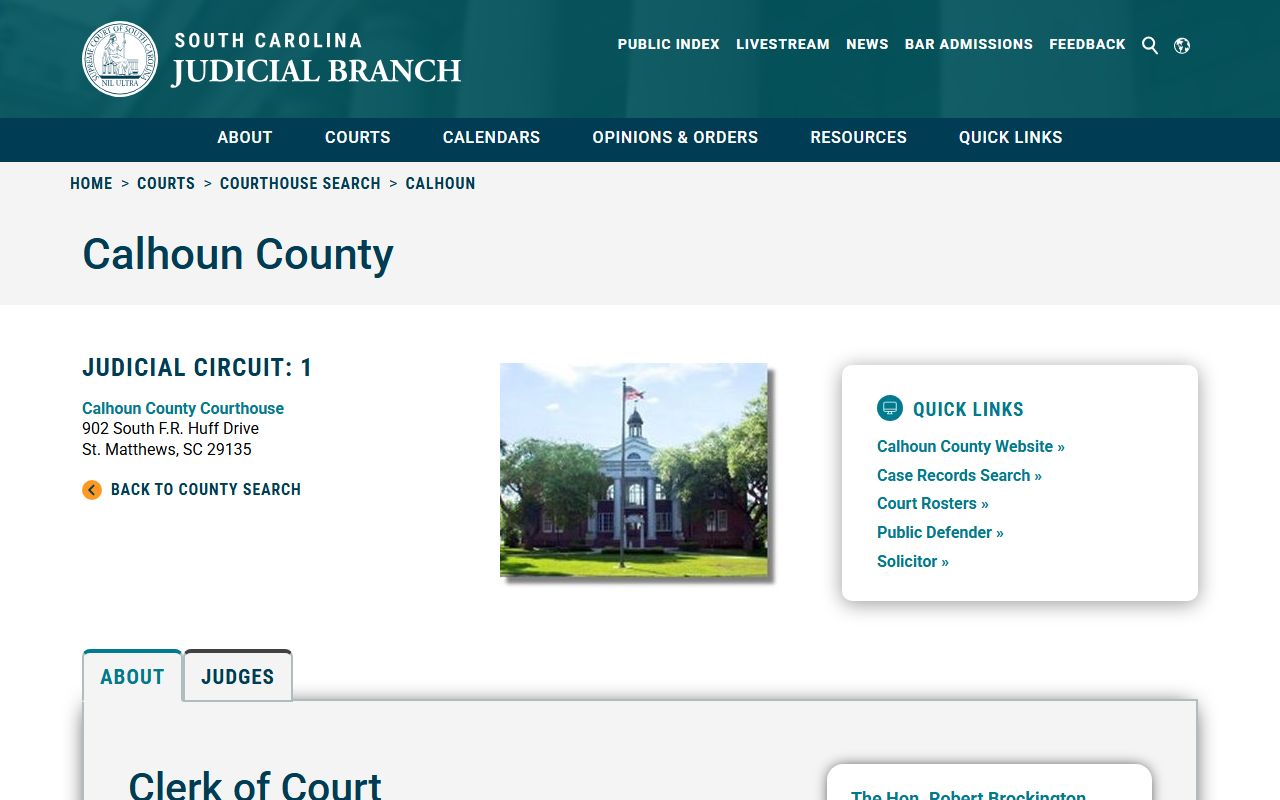
Always check both the state SCDOR registry and the relevant county office when doing a complete lien search tied to a South Carolina bankruptcy matter.
County Courthouse Access for Bankruptcy Research
South Carolina has 46 counties, each with its own clerk of court and, in many cases, a separate register of deeds. When researching a bankruptcy case, you may need to check county-level records for property ownership, judgment liens, deeds, or related civil court actions. The SC Courts website at sccourts.org lists courthouse information for every county in the state, including phone numbers, addresses, and hours.
In the Upstate, Cherokee County's courthouse handles circuit court matters for residents in Gaffney and surrounding areas. Cherokee County was created in 1897 from Spartanburg County. The Cherokee County courthouse listing on sccourts.org includes court contact information for anyone researching civil or property records tied to a bankruptcy case.
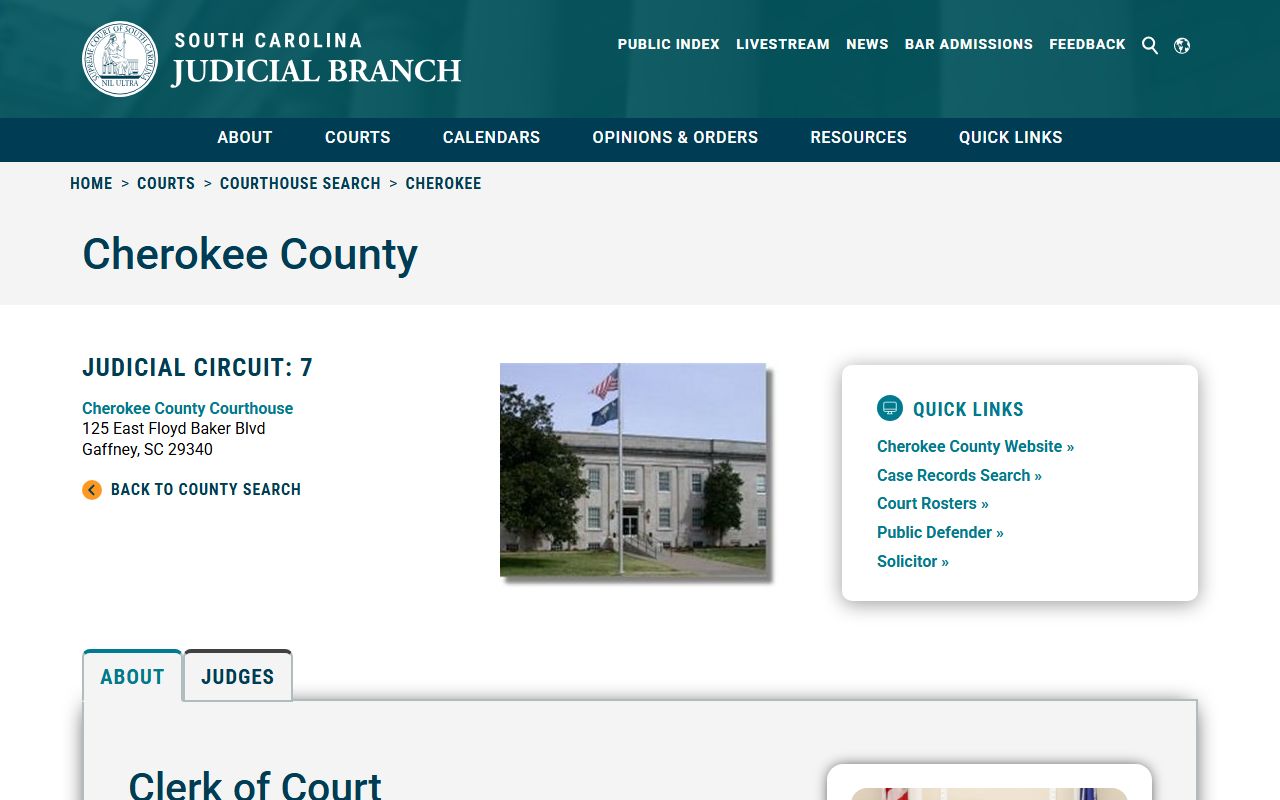
The Register of Deeds in Cherokee County records deeds, mortgages, liens, plats, and UCC financing statements that may become relevant when tracing assets in a South Carolina bankruptcy case.
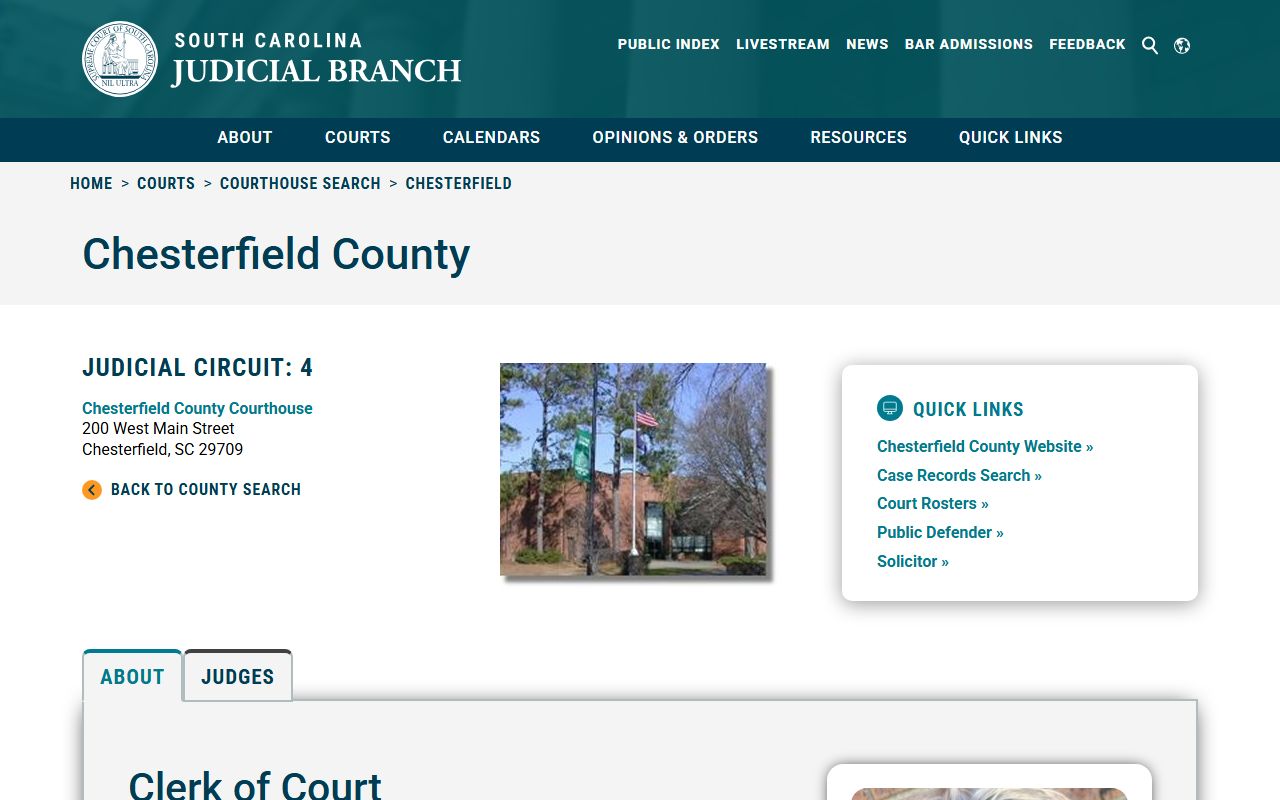
In the Pee Dee region, Chesterfield County is one of the original South Carolina counties created in 1785. Its courthouse handles circuit court records dating back to 1785. The Clarendon County Clerk of Court in Manning serves the Third Judicial Circuit and maintains records from 1856 to the present.
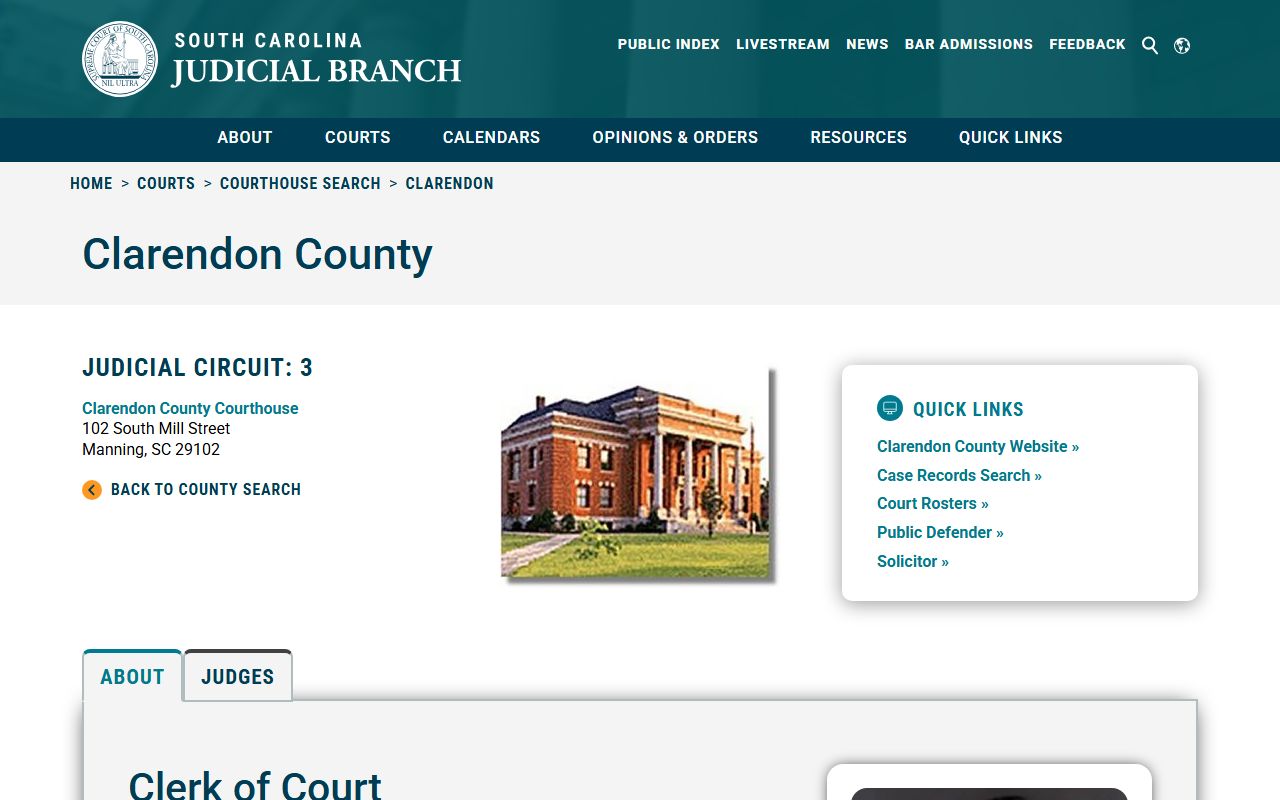
Clarendon County originally existed from 1785 to 1800 before being reestablished in 1855, and a courthouse fire in 1801 destroyed early records. Researchers handling pre-1856 matters should check Sumter County records.
Allendale County in the Lowcountry is one of South Carolina's youngest counties, created in 1919 from Barnwell and Hampton Counties. The Allendale County Clerk of Court also performs Register of Deeds functions since the county has no separate ROD office. Records there date from 1919 forward.
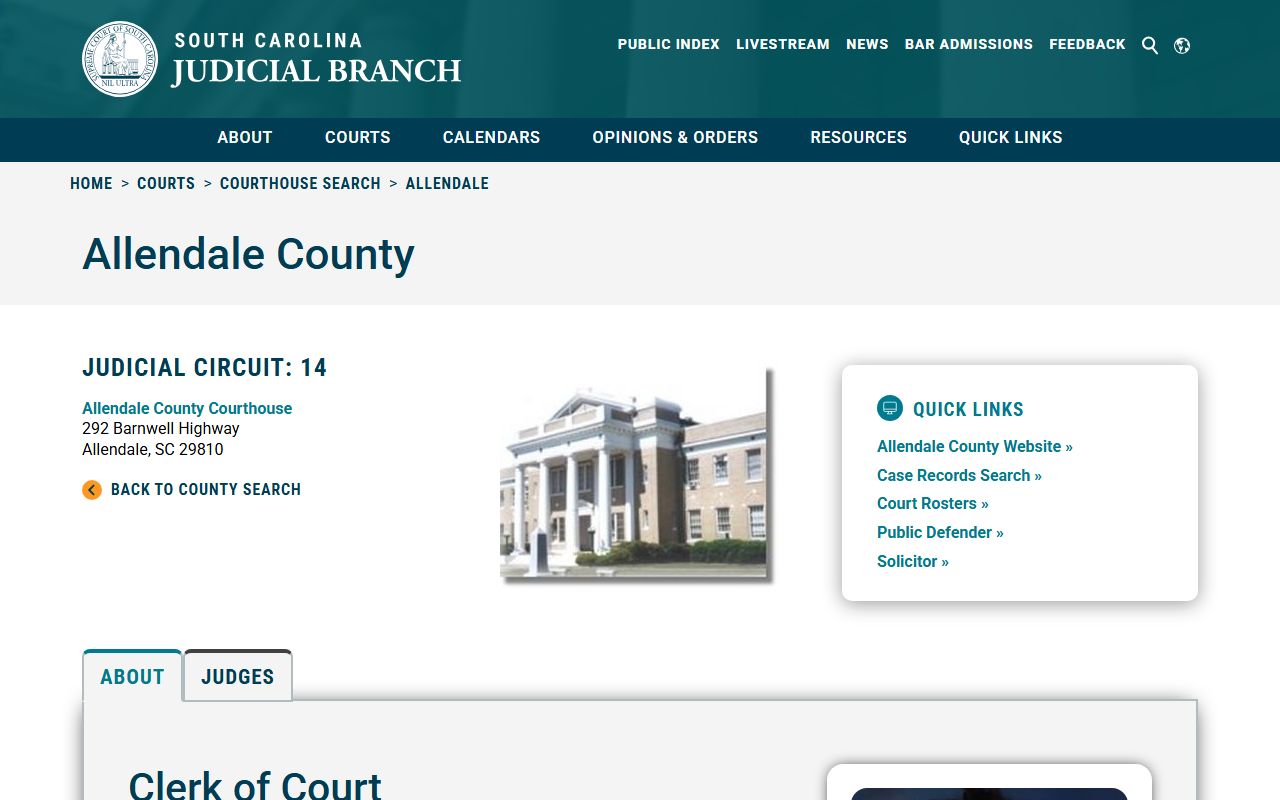
For pre-1919 Allendale records, researchers must check Barnwell County or Hampton County, where those historical documents are preserved.
Accessing Records in Smaller South Carolina Counties
Several smaller South Carolina counties have their own courthouse resources accessible through the statewide courts directory. Dillon County was created in 1910 from Marion County and is served by the Fourth Judicial Circuit. The Dillon County Clerk of Court performs both court and Register of Deeds functions. Court records there run from 1910 forward, with pre-1910 records held by Marion County.
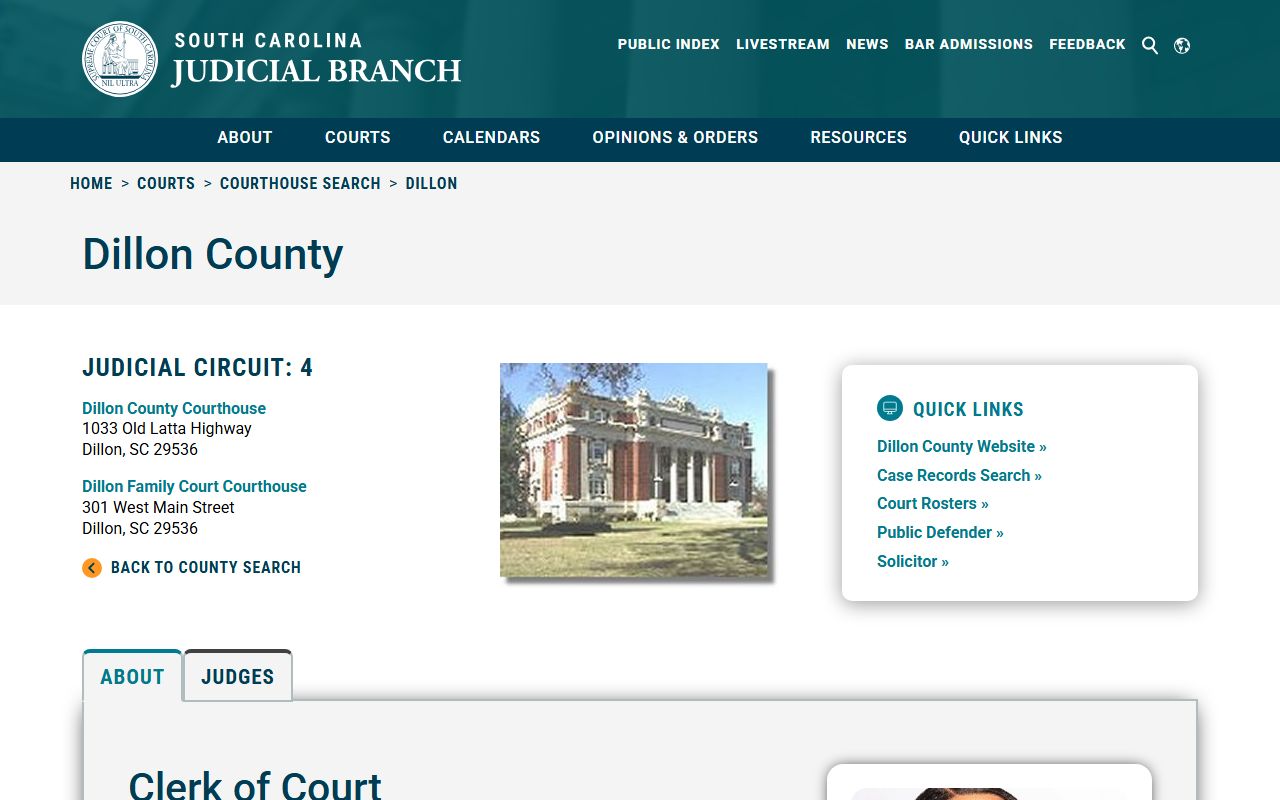
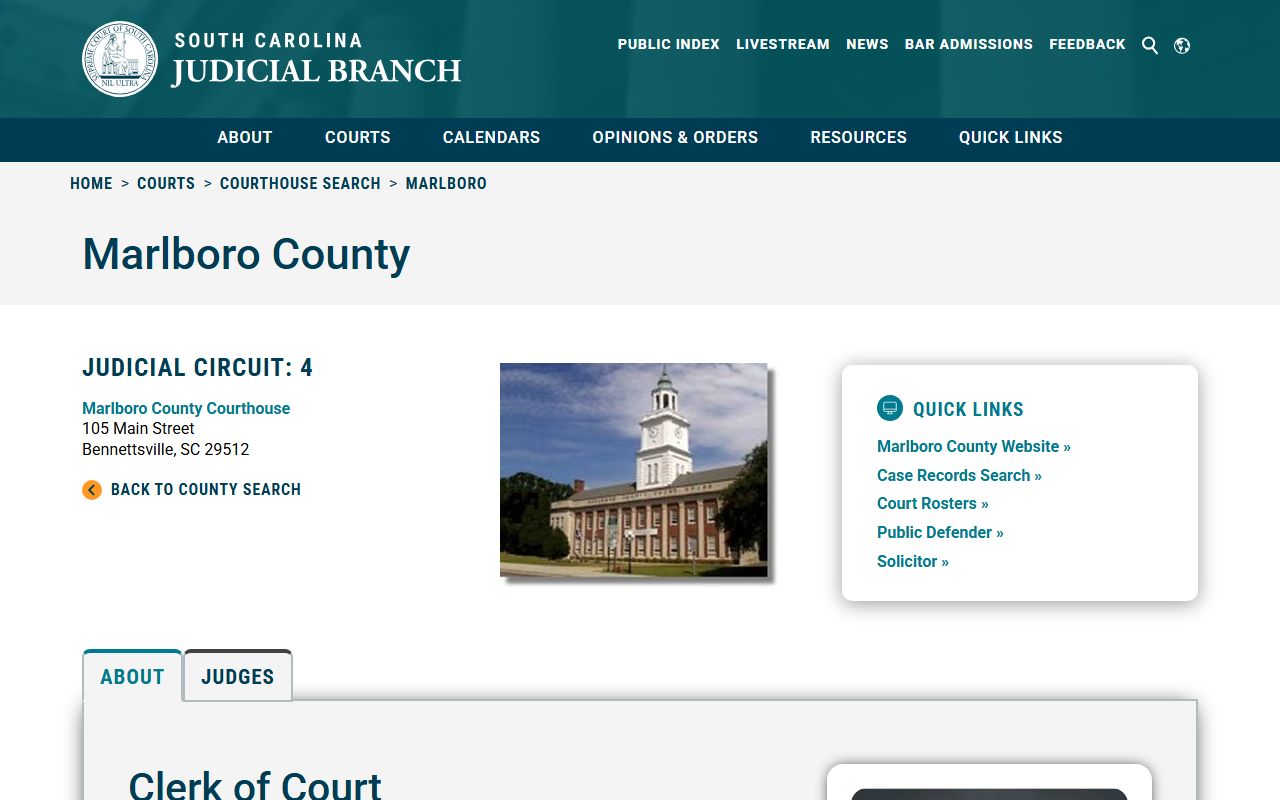
Marlboro County is one of the original South Carolina counties established in 1785. Its courthouse in Bennettsville holds records dating back to 1785. The Marlboro County Clerk of Court also handles Register of Deeds functions. The SC Archives holds microfilm copies of Marlboro County historical records including clerk of court minutes and deed books.
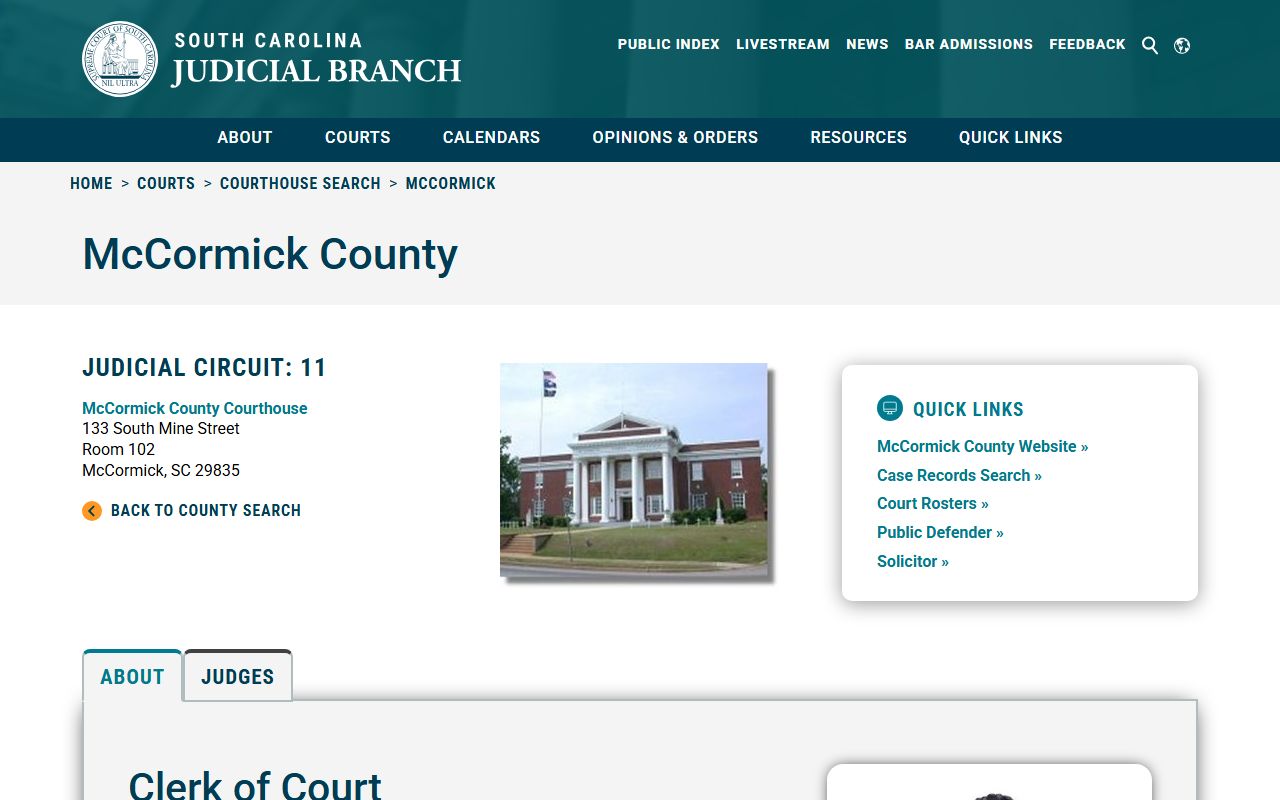
McCormick County is one of South Carolina's youngest, formed in 1916 from portions of Abbeville, Edgefield, and Greenwood Counties. County records begin in 1916. The McCormick County Clerk of Court serves as Register of Deeds as well. Lake Strom Thurmond forms the county's border with Georgia.
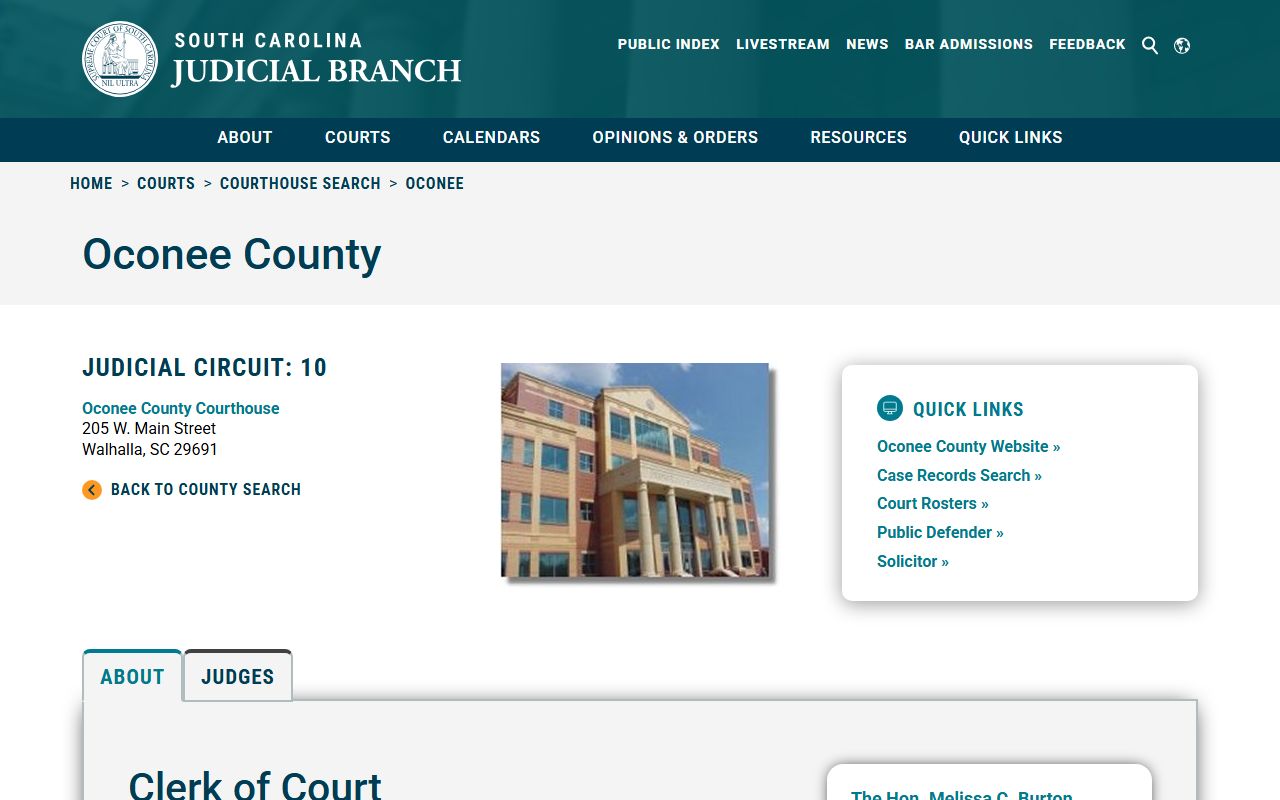
Oconee County in the Upstate was created in 1868 from Pickens County and sits on the Georgia border. The Oconee County courthouse listing on sccourts.org includes contact information for the Register of Deeds in Walhalla and the Clerk of Court. Oconee County also has a Probate Court with an online estate search.
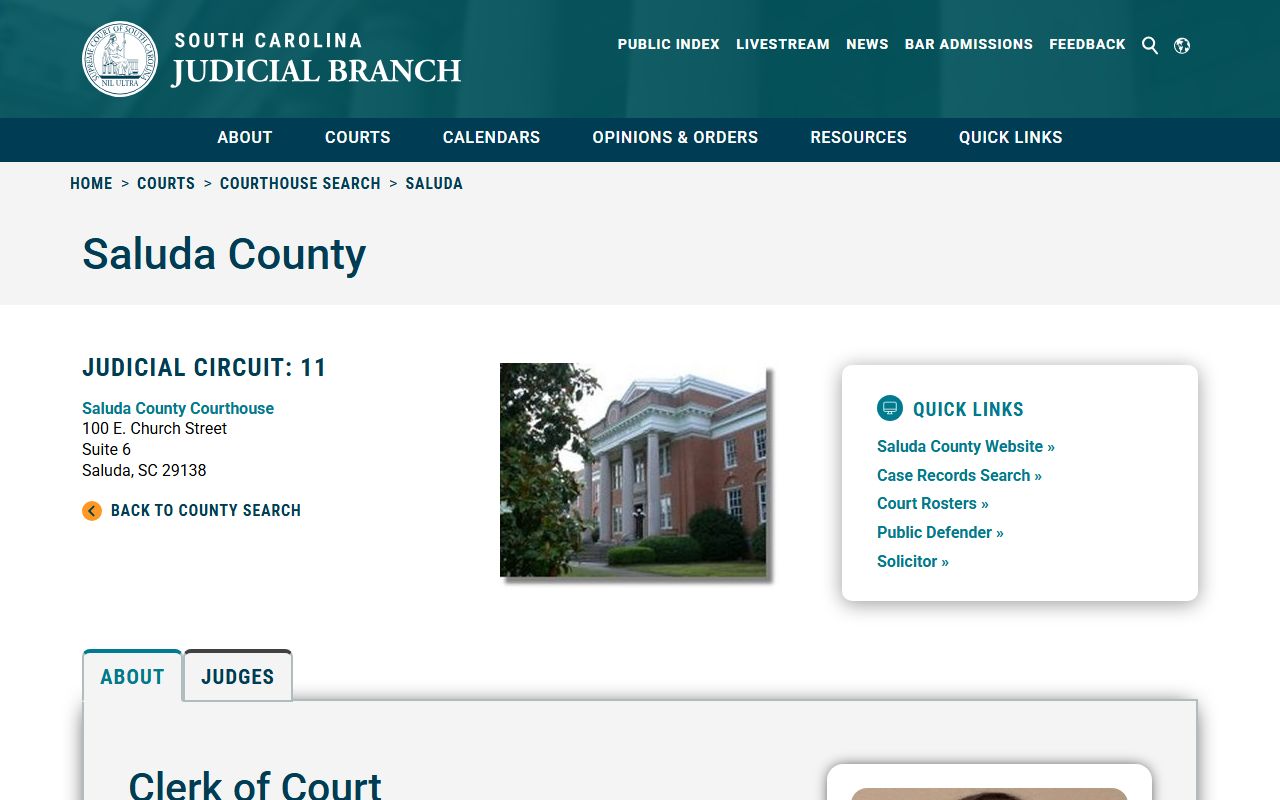
Saluda County was created in 1896 from Edgefield County and is served by the Eighth Judicial Circuit. The Saluda County Clerk of Court also serves as Register of Deeds. Land records run from 1896 to present. Pre-1896 records for Saluda are held by Edgefield County, which was itself part of the Ninety-Six District with those records housed in Abbeville County.
Note: For pre-county-formation research in any of these smaller South Carolina counties, check the parent county records and the South Carolina Department of Archives and History at scdah.sc.gov.
Public Access to South Carolina Bankruptcy Records
Bankruptcy records in South Carolina are public documents. Federal courts follow their own public access rules, which allow anyone to view most bankruptcy filings. Some personal information such as Social Security numbers and financial account numbers is redacted from public copies under federal rules. The PACER system gives online access to any member of the public who registers for an account.
For related state court records, South Carolina's Freedom of Information Act governs access. Under S.C. Code of Laws Title 30, Chapter 4, any person has the right to inspect, copy, or receive public records. State agencies must respond within 10 business days with a determination and produce records within 30 calendar days for records under two years old. The SLED CATCH system at catch.sled.sc.gov provides criminal background check services that some researchers use alongside bankruptcy record searches.
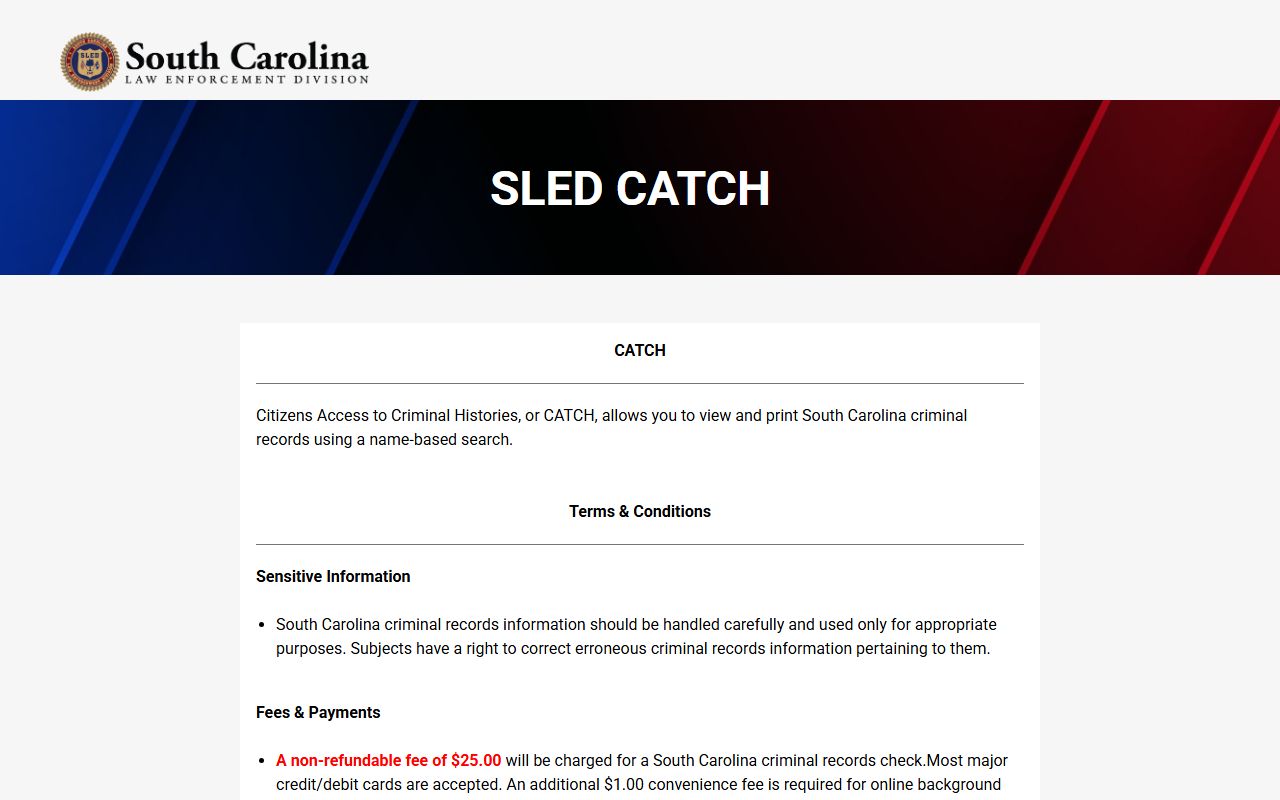
The CATCH system handles criminal history checks through SLED, the South Carolina Law Enforcement Division, which is a separate resource from the bankruptcy court system but often consulted during comprehensive background research.
Courts classified as "not of record" under S.C. Code § 14-25-45 include municipal and magistrate courts, which maintain simplified records compared to circuit courts of record.
Historical Bankruptcy Records and Archives
South Carolina bankruptcy cases filed before 1988 may not be available electronically and could require an archived records request. Cases filed before 1995 are frequently archived with the National Archives and Records Administration. The NARA facility serving South Carolina is the Atlanta Regional Archives at archives.gov/atlanta. To request an archived bankruptcy case, contact NARA in writing or by phone. Some microfilm records are also kept at the clerk's office.
The South Carolina Department of Archives and History at scdah.sc.gov holds microfilm copies of historical county records including court records dating to the colonial period. Land records, deeds, and probate records from across South Carolina's 46 counties are preserved there. The Archives facility in Columbia offers research assistance and document reproduction. For genealogical or historical research tied to South Carolina bankruptcy or financial cases, the Archives is a key starting point.
The South Carolina Land Records portal covers deed searches in multiple counties. Property records from participating counties are available online with document images. Some counties require a subscription for full access, while index searches are available at no charge.
Legal Help with South Carolina Bankruptcy
Filing for bankruptcy in South Carolina without an attorney is allowed for individuals. The court does not require legal representation for individual filers. However, the bankruptcy process is extremely technical. Most cases where the debtor is not represented by an attorney do not succeed. Court staff cannot give legal advice, and the law holds unrepresented filers to the same standards as those with attorneys.
South Carolina Legal Services offers free legal assistance to qualifying low-income individuals. Eligibility is based on federally established poverty guidelines. Reach them at 1-888-346-5592. The South Carolina Bar Lawyer Referral Service connects individuals with qualified bankruptcy attorneys. Call 803-799-7100 in the Columbia area or 1-800-868-2284 from outside Columbia. The initial consultation fee is $50 for 30 minutes. More information is available at scbar.com.
Note: Chapter 7 allows a filing fee waiver for debtors whose income is below 150 percent of the federal poverty line, using the In Forma Pauperis process with Official Form B103A.
Browse South Carolina Bankruptcy Records by County
Each of South Carolina's 46 counties has its own clerk of court that maintains circuit court records. Federal bankruptcy cases are filed with the U.S. Bankruptcy Court, but related civil and property records are held at the county level. Select a county below to find local contact information and resources.
Bankruptcy Records in Major South Carolina Cities
Residents of South Carolina cities file bankruptcy with the U.S. Bankruptcy Court serving their area. Select a city below to find local bankruptcy record resources and court information.