
Spartanburg County Bankruptcy Records
Spartanburg County bankruptcy records are filed with the U.S. Bankruptcy Court for the District of South Carolina and are part of the federal court system. One of South Carolina's most populous Upstate counties, Spartanburg was established in 1785 and has court records dating to that year. The county is served by the 7th Judicial Circuit and maintains a separately appointed Register of Deeds. Cherokee County was carved from Spartanburg in 1897, and pre-1800 records may also exist in Abbeville County from the Ninety-Six District era. The city of Spartanburg is the county seat and the center of all local court activity for residents navigating bankruptcy proceedings.
Spartanburg County Quick Facts
Spartanburg County Clerk of Court and Public Records
The Spartanburg County Clerk of Court is Amy W. Cox. The office is located at 180 Magnolia Street, 2nd Floor, Suite 2100, Spartanburg, SC 29306, and can be reached at (864) 596-2591. Hours are Monday through Friday, 8:30 AM to 5:00 PM. The Clerk maintains civil, criminal, and family court records for Spartanburg County and handles filings related to civil judgments and liens that may accompany or follow a federal bankruptcy proceeding. Court records accessible through this office date to 1785, making Spartanburg one of the state's oldest continuously recorded counties.
The Spartanburg County courts website at spartanburgcountycourts.org provides access to public records information, links to the SC Judicial Public Index, and guidance on obtaining certified copies of court documents. Judgments entered in Spartanburg County circuit court are searchable through the Public Index and may remain relevant to a debtor's financial picture even after a federal bankruptcy discharge eliminates underlying debts.
The SC Judicial Public Index for Spartanburg County is available free online and covers civil, criminal, and family court filings. Researchers checking for active civil actions, judgment liens, or garnishment orders related to a bankruptcy case should search this index alongside PACER records for a complete picture of a debtor's legal history in Spartanburg County.
For public records requests under S.C. Code Title 30, Chapter 4, the Clerk's office handles most civil court documents. Turnaround times and fee schedules for certified copies are available through the Clerk's office at the Magnolia Street location.
Note: Spartanburg County civil court records date to 1785, though pre-1800 materials were originally recorded through the Ninety-Six District and may require a search of Abbeville County records as well.
The Spartanburg County courts public records page is the starting point for locating civil and court records maintained by the Clerk of Court.
This resource provides links to the Public Index and guidance on obtaining court documents from the Spartanburg County Clerk's office.
Spartanburg County Register of Deeds
The Spartanburg County Register of Deeds is Ashley Williams, an appointed official whose office is located at 366 N. Church Street, Main Level, Suite 100, Spartanburg, SC 29303. The office can be reached at (864) 596-2514, with hours Monday through Friday, 8:00 AM to 5:00 PM. The ROD is a separate office from the Clerk of Court, which is common in larger South Carolina counties. The Register records deeds, mortgages, plats, UCC financing statements, and liens for all real and personal property transactions in Spartanburg County.
Land records in Spartanburg County date to 1785, and online access is available through the SC Land Records portal. When a bankruptcy case in Spartanburg County results in the discharge of a mortgage, lien avoidance, or surrender of real property, a corresponding document is typically recorded with the ROD. Researchers tracing the chain of title on Spartanburg County property connected to a bankruptcy estate should search both PACER and the ROD's records. The county website at spartanburgcounty.org provides general information about the ROD and links to related county services.
State tax liens filed on or after November 1, 2019 are recorded statewide in the SC Department of Revenue Lien Registry, which is searchable by debtor name at no charge. Tax liens predating that date are found at the county ROD level and may require an in-person search at the Church Street office or a search through SC Land Records.
Note: Cherokee County was created from Spartanburg County in 1897, so researchers studying property in the northern Upstate area near Gaffney that predates 1897 should search Spartanburg County ROD records for that period.
The Spartanburg County government website covers the Register of Deeds, tax information, and other county services relevant to bankruptcy research.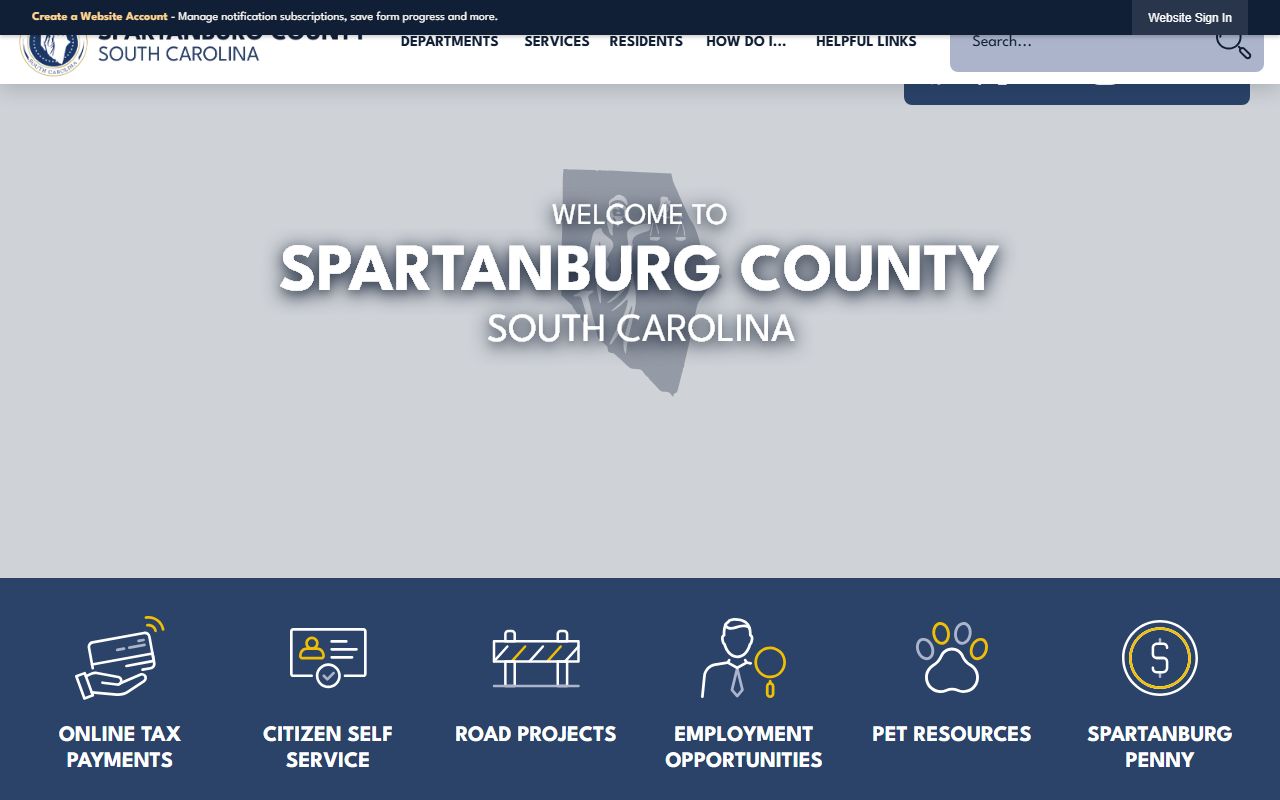
The county website is the authoritative source for ROD office hours, contact information, and document recording fee schedules for Spartanburg County property records.
Searching Spartanburg County Bankruptcy Filings Through Federal Court
All Spartanburg County bankruptcy cases are filed with the U.S. Bankruptcy Court for the District of South Carolina. The court has three divisions: Charleston (145 King Street), Columbia (1100 Laurel Street), and Greenville (300 E. Washington Street). Spartanburg County filers typically appear before the Greenville Division given the county's location in the Upstate, though filers should confirm the assigned division through the court's case information page at scb.uscourts.gov.
The primary research tool for federal bankruptcy records is PACER, which provides access to docket sheets, filed documents, claims registers, and case status information for all active and closed federal bankruptcy cases. PACER charges $0.10 per page, with a $3.00 cap per document. Any account with quarterly fees under $30.00 receives an automatic fee waiver, making moderate research essentially free. For basic case lookups without PACER registration, the Voice Case Information System at 1-866-222-8029 operates 24 hours a day, seven days a week, and covers cases filed after November 30, 1988.
Chapter 7 cases filed by Spartanburg County residents typically reach a discharge order within 90 to 120 days of the filing date, assuming no complications arise. Chapter 13 cases operate under a court-confirmed repayment plan running 36 to 60 months, with discharge occurring after the plan is completed. South Carolina bankruptcy filings rose approximately 12 percent between 2024 and 2025, reflecting continued demand across Upstate communities including Spartanburg.
Note: Researchers examining older Spartanburg County federal bankruptcy cases that are no longer in the active PACER system should contact the National Archives in Atlanta, which maintains archived federal court records for the District of South Carolina.
Spartanburg County Library and Historical Records
The Spartanburg County Public Library maintains a significant collection of historical records useful for bankruptcy and property research. Holdings include South Carolina census records from 1790 through 1930, estate papers from 1787 to 1900, land records from 1785 to 1900, and death register entries covering the periods 1895 to 1896 and 1903 to 1914. These materials are especially valuable for researchers tracing older property chains or investigating estate settlements that predate formal county court records.
The South Carolina Department of Archives and History holds additional administrative records, colonial land grants, and early court materials for Spartanburg County. For bankruptcy researchers who need to establish a clear property ownership chain or locate estate records tied to a historical bankruptcy proceeding, SCDAH is an important resource alongside the county library's collections.
Spartanburg County was part of the Ninety-Six District from 1785 to 1800. Records from that era may appear under Abbeville County, which served as the administrative center for the Ninety-Six District. Researchers examining land grants, deed transfers, or court orders from Spartanburg County before 1800 should check Abbeville County holdings at SCDAH and the Abbeville County Register of Deeds in addition to Spartanburg County sources.
Note: The Spartanburg County Public Library's local history and genealogy department can assist researchers in navigating older census, estate, and land records that predate the county's formal court structure.
Spartanburg and Greer Bankruptcy Records
The city of Spartanburg is the county seat and the primary municipality in the county, home to the Clerk of Court, the Register of Deeds, and the county courthouse on Magnolia Street. Bankruptcy filings from Spartanburg residents are processed through the federal court system and accessible via PACER. Civil matters related to bankruptcy judgments and liens are filed at the Clerk of Court and searchable through the SC Judicial Public Index.
Greer is a city that straddles the border of Spartanburg and Greenville counties. Residents of Greer filing bankruptcy may have records split between both counties depending on their address and the property involved. Researchers should search the Public Index for both Spartanburg and Greenville counties when investigating civil court records for Greer residents. Federal bankruptcy records for all South Carolina residents, including those in Greer, are filed in a single statewide federal district and are searchable through PACER without regard to county lines.
The South Carolina Bar Lawyer Referral Service at 803-799-7100 connects Spartanburg County residents with licensed bankruptcy attorneys. The initial consultation is $50 for the first 30 minutes. Income-qualifying residents may contact SC Legal Services at 1-888-346-5592 for free civil legal guidance, including help understanding South Carolina's state exemptions that protect certain property during bankruptcy.
The City of Spartanburg government website provides municipal information relevant to residents navigating local records and services connected to a bankruptcy case.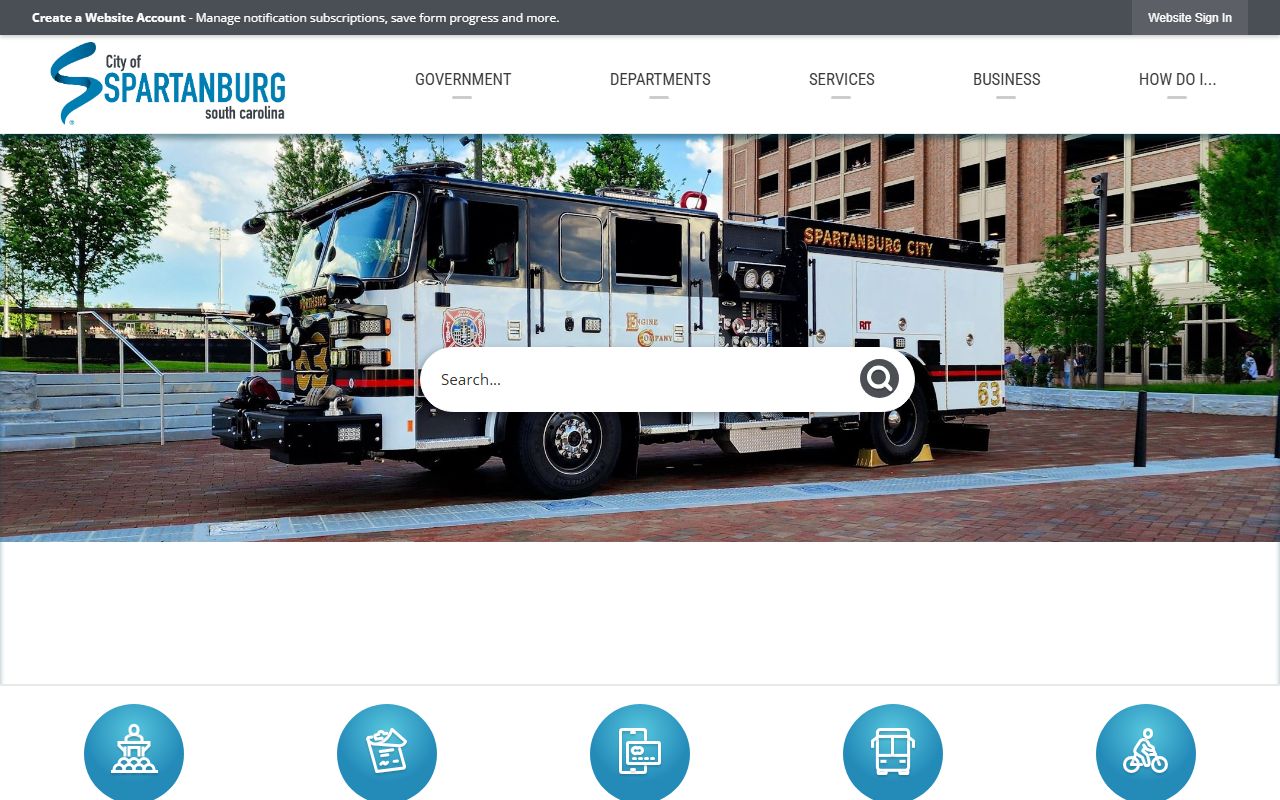
The city site includes links to planning, utilities, and municipal services that may be relevant when researching property or tax records connected to a Spartanburg County bankruptcy filing.
Accessing Older Spartanburg County Court Records
Spartanburg County court records date to 1785, and land records from that same year are held through the Register of Deeds. Probate records in Spartanburg County date to 1787, and estate papers from 1787 through 1900 are partially accessible through the Spartanburg County Public Library collection. For older materials not available in digital form, in-person visits to the Clerk of Court or a written records request are required.
The National Archives in Atlanta maintains federal court records for the District of South Carolina that are no longer held in the active court system. Researchers looking for Spartanburg County federal bankruptcy case files from earlier decades that have been transferred out of PACER should direct their requests to NARA Atlanta. Archived case files may include original petitions, schedules of assets and liabilities, claims registers, and discharge orders that are not available through PACER's online interface.
All public records requests for Spartanburg County court and property records are governed by S.C. Code Title 30, Chapter 4. Requestors may submit written requests to the Clerk of Court at 180 Magnolia Street or the Register of Deeds at 366 N. Church Street. Certified copies of recorded documents are subject to standard county fee schedules, which are available from each office directly.
Note: Federal bankruptcy records and state civil court records are maintained by separate systems and separate agencies; a complete financial and legal history for a Spartanburg County resident typically requires searching both PACER and the SC Judicial Public Index.
Cities in Spartanburg County
Spartanburg County's largest municipalities include the county seat of Spartanburg and the border city of Greer, both of which generate a significant share of the county's federal bankruptcy filings each year.
Nearby Counties with Bankruptcy Records
Spartanburg County borders several South Carolina counties in the Upstate region as well as counties in North Carolina, with all South Carolina filers going through the U.S. Bankruptcy Court for the District of South Carolina.